

We tend to think of adrenaline as a performance booster, and most of the time it is. It sharpens your focus, gets your body ready to move, and floods your system with energy when the effort ramps up. But the same surge that helps you win can also trip you up. When stress runs too high, coordination, muscle control, concentration, and decision-making can suffer. That's why athletes sometimes rise to the moment, and other times fumble a skill they've nailed a thousand times in practice.
What Adrenaline Does in Your Body
Adrenaline, also called epinephrine, is a hormone your adrenal glands release when you face physical or psychological stress. It's the driving force behind the fight-or-flight response, which is run by your sympathetic nervous system.

Once adrenaline kicks in, a lot happens fast. Your heart rate and blood pressure climb, your airways open up, and blood is sent to the muscles that need it most. Your liver releases stored glucose for extra fuel. Your body is essentially getting ready to act right now. In competition, that's a good thing. It helps you produce quick bursts of power, react to changing conditions, and stay alert when the pressure builds.
But sport takes more than strength and energy. It takes timing, smooth movement, and clear thinking, and those are the very things too much arousal can disrupt.
How Too Much Adrenaline Gets in the Way
Your fine motor control slips. One of the first things athletes notice is a loss of precision. A heightened stress response can cause muscle tension, trembling, and shaky hands. If your sport depends on finesse, even a small wobble matters. Think of a basketball player at the free-throw line, a golfer over a short putt, or a baseball player making a delicate throw. These situations call for control, not raw force.
Your focus and decision-making suffer. Good athletes read the game. They anticipate what opponents will do and make quick calls as things change. A strong stress response can narrow your attention, making it harder to take in everything happening around you. Instead of reacting naturally, you may find yourself fixated on one movement or worrying about making a mistake. Research in Neurobiology of Stress found that activating the body's major stress systems can interfere with several aspects of decision-making, especially when the choices are complex and the pressure is on.
Your muscles tighten up. Adrenaline readies the body for action, but too much can leave muscles tense when they should be relaxed. Tight muscles make for stiff, inefficient movement. Your technique gets rougher, your timing goes off, and it's harder to flow from one motion to the next. In sports that demand speed, agility, or precise positioning, that extra tension can really hurt.
Pressure turns into choking. Almost everyone has seen it, or lived it. An athlete who makes a shot again and again in practice suddenly can't hit it when the game is on the line. Heightened arousal, anxiety, and overthinking movements that are normally automatic all play a part. Research in Current Opinion in Psychology points to disrupted attention and excessive self-monitoring as key reasons performance falls apart under pressure.
Finding Your Sweet Spot
This idea is often explained through the Yerkes-Dodson principle. Up to a point, more arousal improves performance. Past that point, more stress starts to work against you. Where that point sits depends on the person and the task.
The good news is that you can train yourself to manage it. Consistent practice, solid preparation, controlled breathing, visualization, and a pre-performance routine can all help you stay calmer and more focused when it counts.
A Simple Protocol to Find Your Sweet Spot
There’s no single formula, because the right level of arousal differs from person to person and sport to sport. But you can build a routine that moves you toward it. Think of it as three steps: calm down if you’re too wired, fire up if you’re too flat, and lock in your focus.
1. Check in with yourself (about 10 minutes before)
Rate your arousal from 1 to 10. A 1 is sluggish and flat, a 10 is jittery, tight, and racing. Most people perform best somewhere in the middle, though precision sports like golf or shooting tend to favor the lower end, while power sports like sprinting or lifting can handle more. Over time, note what number you were at when you performed well. That becomes your personal target.

2. Bring your arousal down if you’re too high
- Slow your breathing. Try inhaling for 4 seconds, holding for 4, exhaling for 4, and holding for 4. Repeat for 1 to 2 minutes. Another option is two quick inhales through the nose followed by one long, slow exhale through the mouth. Long exhales help shift your body toward a calmer state.
- Release tension on purpose. Clench your fists, shoulders, and jaw for a few seconds, then let go completely. Doing this from your feet up to your face helps you notice where you’re holding tension.
3. Bring your arousal up if you’re too low
Short, sharp breaths, a brisk warm-up, dynamic movement, or upbeat music can help raise your energy. The goal is to feel alert and ready, not frantic.
4. Reframe the nerves
A racing heart doesn’t mean you’re about to fail. It’s your body getting ready. Telling yourself “I’m excited” or “my body is getting ready” tends to work better than trying to force yourself to “calm down,” because it works with the sensation instead of fighting it.
5. Visualize the first move (1 to 2 minutes)
Picture yourself performing the skill well, in as much detail as you can, including how it feels and sounds. Focus on the process rather than the outcome.
6. Use a cue word and a pre-performance routine
Pick a short word or phrase like “smooth,” “relax,” or “see it, hit it.” Pair it with a consistent routine, such as a breath, a bounce of the ball, or a look at the target. A repeatable routine gives your mind something steady to hold onto when pressure rises. It also keeps your attention on the task instead of on overthinking each movement.
7. Reset after mistakes
When things go wrong, take one slow breath, use your cue word, and move on to the next play. Dwelling on the last error is one of the fastest ways to push arousal past the sweet spot.
8. Practice under pressure
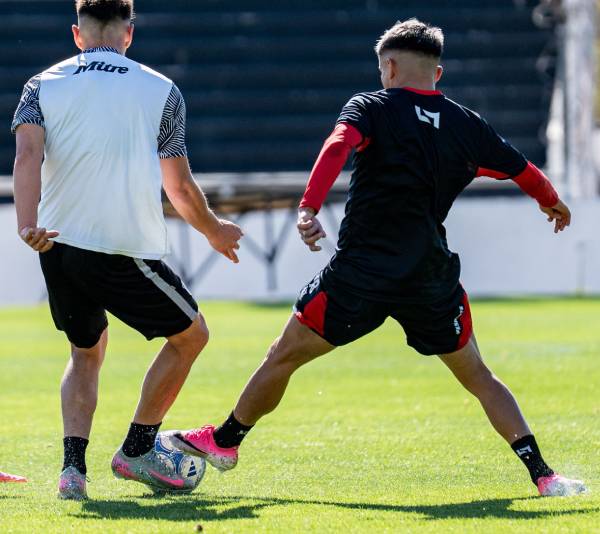
Your routine works best when it’s been tested. Add stakes to practice, such as keeping score, competing with a teammate, or having people watch. The more familiar pressure feels, the less it disrupts you on game day.
If anxiety around performance feels constant or overwhelming, or it’s affecting your sleep, mood, or daily life, it’s worth talking with a healthcare provider or a sports psychologist.
In the end, the goal isn't to produce as much adrenaline as possible. It's to meet the physical and mental demands of the moment without letting stress take over your execution. The best performances usually don't come from the most fired-up athlete. They come from the one who keeps the right balance of physical readiness, mental focus, and muscle control.