
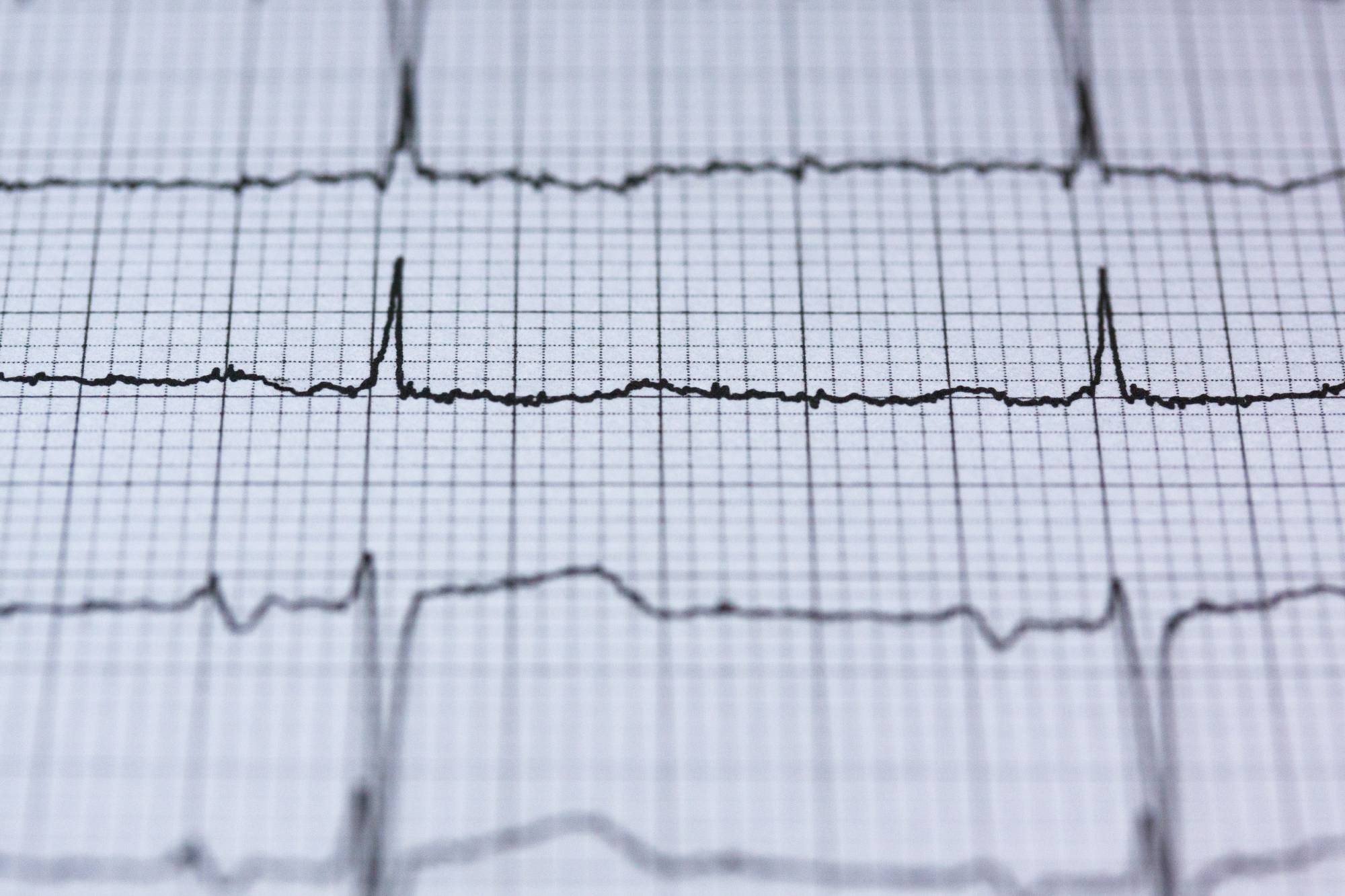
A number of men on testosterone replacement therapy (TRT) notice their resting heart rate creeping up after starting treatment. It doesn't happen to everyone, but when it does, it's a reasonable thing to want explained — and it's one of the more common questions we get from patients managing low testosterone.
The short answer: testosterone doesn't directly speed up your heart the way, say, caffeine does. Instead, it touches a handful of systems that can indirectly nudge your heart rate higher.
Testosterone and blood pressure
Blood pressure is one piece of it. The FDA actually requires testosterone products to carry a warning about blood pressure increases, based on data showing this happens in a meaningful subset of men. When blood pressure shifts, or when fluid volume in the body changes, the heart often responds by beating faster. If you've noticed both a higher heart rate and higher blood pressure readings since starting TRT, this is often the connection.
Testosterone, hematocrit, and red blood cell count
Red blood cell production is another factor. Testosterone stimulates the bone marrow to make more red blood cells — a known, dose-related effect called erythrocytosis. As hematocrit climbs, blood gets thicker, and that added viscosity is something we monitor closely with routine bloodwork during treatment. Elevated hematocrit is one of the most common reasons we adjust a testosterone dose.
Testosterone level fluctuations and heart rate
Then there's the shape of your testosterone levels over time. This matters more with short-acting testosterone injections, where levels spike shortly after a dose and taper off before the next one. Some men feel that rollercoaster — heart rate, blood pressure, energy, mood — tracking right along with their injection schedule. Switching to a different formulation or adjusting injection frequency can often smooth this out.

Other causes of a fast heart rate on TRT
Worth remembering, too: a faster heart rate doesn't automatically point back to testosterone. Dehydration, too much caffeine or alcohol, anxiety, poor sleep, illness, certain medications, thyroid issues, and underlying heart conditions can all do the same thing. Sleep apnea deserves a mention here as well, since it's common among men being treated for low T.
When an elevated heart rate on TRT is a concern
A small, isolated bump in resting heart rate, with nothing else going on, usually isn't a red flag. But if the change is persistent or significant, it's worth getting checked out rather than chalking it up to TRT by default. That means a look at blood pressure, hematocrit, current testosterone levels, and anything else that might be contributing.
Heart rhythm specifically is worth taking seriously. A 2026 Endocrine Society review pointed to evidence that both low and high testosterone levels can be linked to atrial fibrillation — one more reason dosing and monitoring matter throughout TRT.
How we evaluate and manage heart rate changes during TRT
The first question is always whether testosterone is actually the cause. That usually means looking at when the elevated heart rate shows up relative to your dosing, checking blood pressure and resting heart rate in the office, and running labs — a complete blood count (CBC) for hematocrit, along with a testosterone level to see whether your current dose is landing where it should.

If testosterone does turn out to be a contributing factor, there are several ways to address it: adjusting the dose or injection schedule, switching testosterone formulations, or managing a downstream issue like high hematocrit or blood pressure directly. Current guidelines call for exactly this kind of follow-up after starting testosterone therapy — checking not just whether it's working, but what else it might be doing.
An elevated heart rate on TRT isn't something to brush off, but it's also not automatically a reason to stop treatment. The goal is figuring out what's driving it and making the right adjustment — while keeping your testosterone at a healthy, physiologic level.
When to seek immediate care
If a fast heart rate comes with chest pain, shortness of breath, fainting, significant dizziness, or a heartbeat that stays irregular, that calls for prompt medical attention, not a wait-and-see approach.
Dr. Jordan Glenn has reviewed this article, which is is intended for general educational purposes and is not a substitute for individualized medical advice.